Cart 0

Sorry, looks like we don't have enough of this product.

Pair with
Is this a gift?
Subtotal Free
View cart
Shipping, taxes, and discount codes are calculated at checkout

Your Cart is Empty

The Five Point Model

Five systems. One body.

Most medicine looks at one thing at a time. My work starts from the opposite question: what has to be working together for a person to feel well?

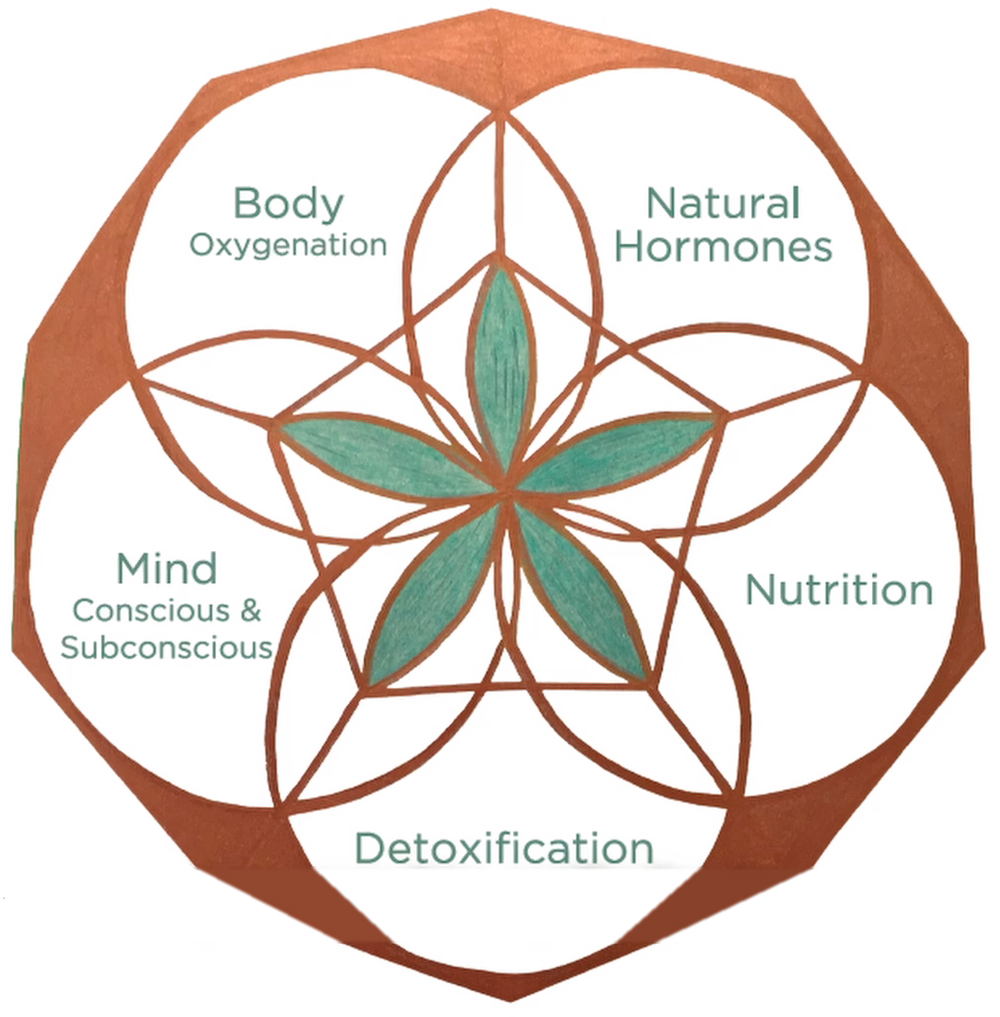
The Five Point Model diagram

Why five points

For years I did what I was trained to do. A patient came in tired, and I looked at the thyroid. She came in anxious, and I looked at her mood. She came in with pain, and I looked at the joint. The problem was that the same woman kept coming back.

Normal is not the same as optimal

Are you tired of feeling awful and being told your labs are normal?

A reference range is a description of a population, not a description of you. It tells you where most people sit. It does not tell you where you function best. That gap — between a number that is technically normal and a body that is clearly not well — is where most of my work happens.

The Five Point Model is a way of looking at five systems together, rather than one symptom at a time. When one of them is under strain, the others carry the load. That is why a person can be treated for one thing for years and still not feel well — and why the first question is rarely “which symptom?” but “which point is under the most pressure right now?”

How it works

The speed of the engine — heart, mind and body stressors — determines how much fuel, meaning hormones and nutrients, you use.

The five points

Where each point fits, and what strain looks like.

Each point affects the others. Start with the one that sounds most like you.

1

Hormones

The messengers.

Adrenal, thyroid, ovarian and testicular — the signals that tell every other system what to do and when. Think of them arranged in a pyramid with three layers: the adrenal gland at the bottom, the thyroid in the middle, the sex hormones at the top. When the adrenal gland is under continued stress, it affects the thyroid and the sex hormones above it — even when the labs are in the normal range.

Under strainFatigue that sleep doesn’t fix, a shifting mood, a body that stopped responding the way it used to.

2

Nutrition

The raw material.

Nutrients are what activate the hormones and the metabolic processes that run on them. Zinc, iodine, magnesium and selenium allow the thyroid hormones to work. B vitamins, mostly made by your own gut microbiome, are involved in adrenal hormones like cortisol. Chromium matters for insulin.

Under strainA person can be eating well and still be short of what their body is asking for.
3

Detoxification

The clearing.

The liver, gallbladder, kidneys, skin, lymphatics and bowels, and the microbiome that supports all of them — how the body handles what it takes in and what it produces.

Under strainThe load stays in the system instead of leaving it.
4

Body Oxygenation

Oxygen is a food.

Being alive means you are breathing — it does not mean every organ is properly saturated, including the brain. This is sometimes the most important cause of tiredness, and the hardest to notice. Slow, conscious breathing lets the diaphragm expand fully. It also lowers the stress response and raises vagal activity.

Under strainTiredness with no obvious cause, and shallow breathing you have stopped noticing.
5

Heart / Mind Balance

The nervous system, and the part of health that is not physical.

Stress is not a mood — it is a physiological state with measurable effects on all four of the points above. A hyperactive nervous system spends the fuel — hormones and nutrients — that the body needs for energy, metabolism and repair. Which is why this point comes last and matters most.

Under strainWired and tired at the same time. Exhausted, and unable to switch off.

Dr. Pati on the five points

Short videos on each point. Watch more on Instagram @drsangeetapati

For practitioners

The Five Point Model is also taught to physicians and practitioners.

Training, resources and partnership options for your practice.

For practitioners →

Free guides

Start with one point.

Simple, step-by-step protocols you can download for free.

Browse protocols →

Your next step

Find your starting point.

A 2-minute assessment to see which of your five points is asking for attention first.